How to Choose an Air Purifier for Allergies, Odors, and Everyday Comfort

Allergies and odors can make your home less comfortable every day. Choosing the right air purifier clears pollen, pet dander, smoke, and VOCs effectively. You’ll learn how to pick a model with the right HEPA filter, activated carbon, and CADR for your room size. Shop reliable purifiers now. Get free shipping and support. Join our Dealer or Affiliate Program today at https://www.theatlasstore.com/.
Selecting the Right Air Purifier
Finding the best air purifier requires knowing how different factors affect your home environment. Let’s explore what matters most in making the right choice.
Understanding Allergies and Odors
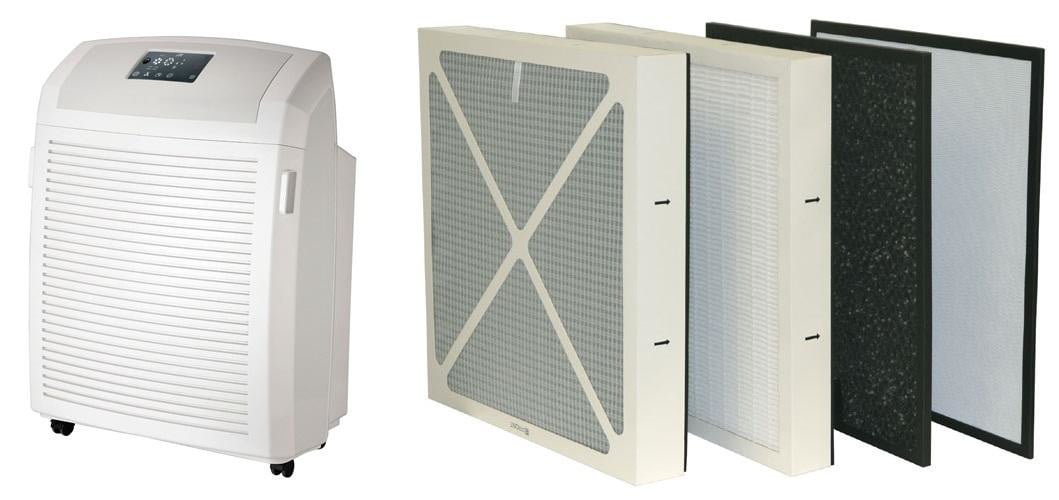
Living with allergies or bothersome smells can be frustrating. Air purifiers can help by removing allergens like pollen and pet dander. They also tackle odors from smoke and VOCs. Look for purifiers with a True HEPA H13 filter. This type captures 99.97% of particles as small as 0.3 microns, ensuring cleaner air in your home. Activated carbon filters are also essential. These absorb odors, making your space feel fresh. You might be surprised at how much a quality air purifier can improve your comfort.
Matching Purifier to Room Size
Size matters when choosing an air purifier. A purifier’s effectiveness depends on the Clean Air Delivery Rate (CADR). This measures how quickly it cleans the air. Choose a model that matches your room size for optimal results. For example, a bedroom might need a purifier for around 200-300 sq ft, while a larger living room could require one for 500 sq ft or more. Don’t guess; measure your space and check CADR ratings. This ensures you get the cleanest air possible.
Prioritizing Filtration Types
Different filters target various pollutants. True HEPA filters are ideal for allergens like pollen and pet dander. Activated carbon filters are great for odors and VOCs. If smoke is a concern, look for purifiers with specialized smoke filters. Some models include UV-C lights or ionizers for extra purification. These can reduce bacteria and viruses, boosting your home’s air quality. Remember, not all features are necessary for every home. Focus on what addresses your specific needs for the best fit.
Key Features for Everyday Comfort
Now that we’ve identified the right purifier, consider features that enhance daily use. Comfort isn’t just about clean air; it’s about how your purifier fits into your life.
Quiet Air Purifier for Bedrooms
A noisy purifier can disrupt sleep. Look for models labeled as quiet air purifiers. These are designed to operate silently, making them perfect for bedrooms. Check the decibel rating; aim for below 50 dB for quiet operation. Some purifiers have a sleep mode, reducing noise even further. Remember, a peaceful night’s sleep can be yours with the right purifier.
Auto Sensors and Timers Benefits
Convenience features like auto sensors and timers make purifiers user-friendly. Auto sensors detect changes in air quality, adjusting fan speeds automatically. This ensures consistent air quality without manual adjustments. Timers allow you to schedule when your purifier runs. Set it for specific times, reducing energy use. These features save time and enhance the purifier’s efficiency.
Safety and Efficiency Considerations
Safety and energy efficiency are crucial. Look for purifiers with safety certifications. Some include child locks or auto shut-off features for added safety. Energy-efficient models use less power, saving money on electricity bills. Check for Energy Star ratings. This ensures your purifier is both safe and cost-effective. Prioritizing these aspects ensures a worry-free experience.
Advanced Options and Maintenance
Exploring advanced options can further enhance your air quality. Maintenance is equally important for long-term satisfaction.
UV-C and Ionizer Insights
UV-C lights and ionizers offer additional air-cleaning benefits. UV-C lights kill bacteria and viruses, while ionizers release ions that capture particles. Consider models with these features if germs are a concern. However, not everyone needs them. Weigh these options based on your specific air quality needs.
Planning for Filter Replacement Costs
Regular filter replacements are vital for maintaining efficiency. Know the cost and frequency of replacement. HEPA filters usually last 6-12 months, while activated carbon may need replacing every 3-6 months. Factor these into your budget to ensure continuous clean air. Keeping up with replacements is key to a purifier’s performance.
Service Reliability and Dehumidifier Pairing
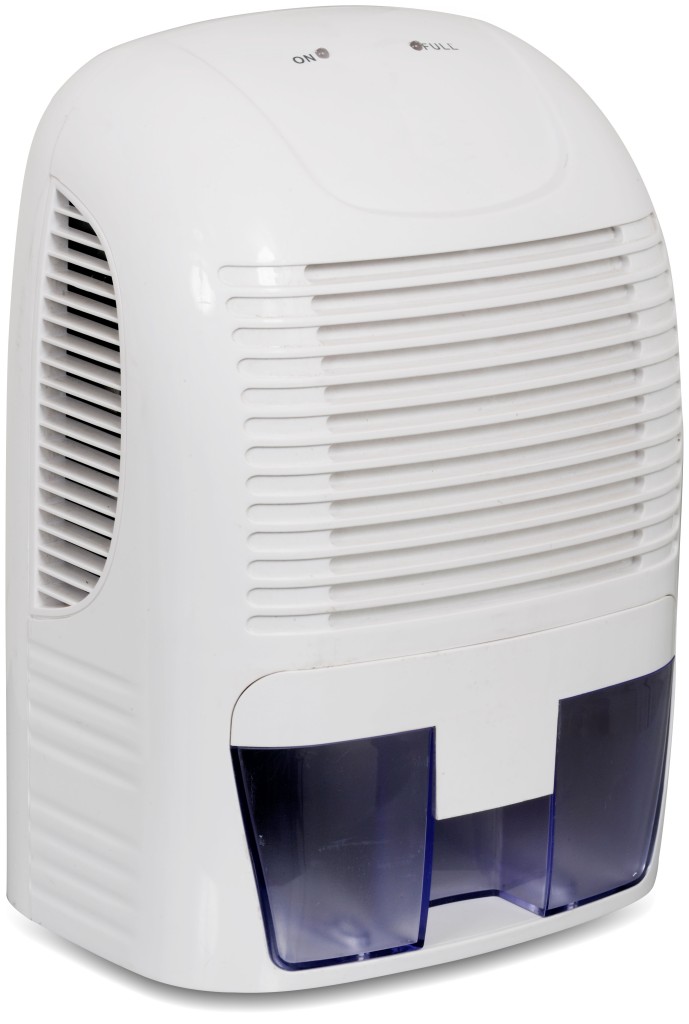
Reliability matters for both air purifiers and associated services. Choose brands known for dependable products and support. Consider pairing your air purifier with a dehumidifier if humidity is an issue. This combination can significantly enhance indoor air quality. Trustworthy service and smart pairing maximize your home’s comfort and health.
Comment(s)0